Identify the Most Appropriate Location for Disposal of Contaminated Sharps
The information on this page is intended for use by consumers including patients family members and home health caregivers to. Collect in a biohazardous sharps container that is red rigid punctureresistant and leak proof.

Sharps Safe Handling Procedures Idc Medical Australia
For staff and office use.
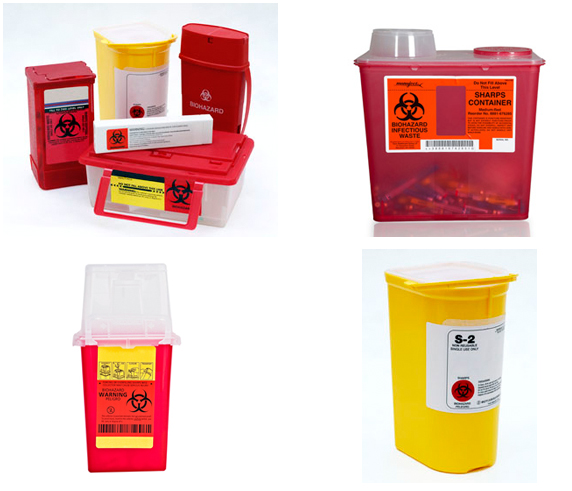
. Center for Environmental Health Safety. Infectious Sharps Handling Ensure that appropriate sharps containers are available in the immediate work area. Treatment and disposal of contaminated sharps.
Biological hazards eg infectious agents human bloodbody fluids hazardous chemicals radioactive materials and ALL blades needles and syringes regardless of how they were. Place non-sharp waste in leak proof covered containers that are lined with autoclavable biohazard bags. There is a line on the side of all sharps.
Disposal requirements may be found in Sections 45 through 49. Sharps are objects that can pierce the skin for example contaminated syringes. Maintained upright throughout use.
The lid should securely lock in place. Sharps disposal containers must be readily acces-sible and located as close as feasible to the area where sharps will be used. At this time the District of Columbia does not have a needle disposal program.
Request a radioactive waste collection from EHS. Designated drop-off locations have been established in many of the autoclave facilities on campus. Do not place any sharps into the regular office or lab trash receptacles.
Contaminated Sharps o Contaminated sharps require special disposal as either regulated or hazardous waste. Seal full container and move it to your labs designated radioactive waste storage area. A closable puncture resistant leakproof sharps containers that are appropriately labeled and color-coded.
Place sharps in specifically designed plastic puncture proof and biohazard labeled sharps containers. In some cases they may be placed on carts to. Disposal of Sharps by Health Care Facilities.
Radioactive Materials - needles syringes and other sharps contaminated with. Safe and Proper Sharps Disposal During the COVID-19 Mass Vaccination Campaign. Do not place liquids such as full syringes into sharps containers.
Carefully place sharps into container. Chemical Waste - needles syringes scalpels razor blades and other sharps contaminated with non-biohazardous chemicals must be placed in appropriate plastic sharps container labeled as non-biohazardous and disposed through EHS. In some cases they may be placed on carts to prevent patients such.
Seek immediate evaluation and treatment. The improper disposal of contaminated sharps is a serious safety concern for garbage collectors and landfill workers. Do not re-cap the needle on used hypodermic syringes.
J Indiana Dent Assoc. The most appropriate location for disposal of contaminated sharps is. However the Bloodborne Pathogens Standard does not specify the use of.
These are small white pouches with a Biohazard symbol affixed. Prior to accumulation set up an appropriately sized sharps waste container near where sharps or contaminated sharp-like waste will be generated. Treat the sharps container for a minimum of 30 minutes at 121C in an autoclave permitted for the treatment of medical waste and label it as autoclaved.
Place the full sharps container in your departments designated biohazardous waste collection area to have it autoclaved deactivated or hauled for destruction. Disposal requirements found in Section 1514. As you may know 29 CFR 19101030d4iiiA2ii requires that during use containers for contaminated sharps must be.
Guidance on Sharps Disposal Management These guidelines apply to the disposal of sharp objects that are contaminated with any of the following hazardous materials. The information on this page is intended for use by consumers including patients family members and home health caregivers to. The use of mechanisms to restrain sharps containers is one way of preventing spillage during use.
Ask your lab manager for instructions. Use the sharps container to dispose of broken glass used syringes and. Palenik CJ1 Miller CH.
1325 Radio Drive - MC 6898. 1Department of Oral Microbiology Indiana University School of Dentistry. These locations will also function as a sharps distribution site for users in that building or adjacent buildings.
Sharps might have chemical contamination only. Sharps disposal containers must be readily accessible and located as close as feasible to the area where sharps will be used. Call the PEP post-exposure prophylaxis hotline at 18884484911 immediately for guidance on treating exposures.
Sharps Contaminated with Medical or Biohazardous Waste. Sealable and labeled as Sharps Place the sealed container in the regular trash. If improperly thrown in trash bags along with regular trash these sharps can puncture the bags and cause injury.
Carefully place sharps into the appropriate sharps waste container and do not fill containers more than 34 th full. Dentists like other health care workers make an overt effort to protect themselves and their employees from infectious agents present in the body fluids of. Prompt Disposal Employers must also ensure that contaminated sharps are disposed of in sharps disposal containers immediately or as soon as feasible after use.
Disposal of Sharps by Health Care Facilities. Instead of placing sharps in the trash self-injectors are encouraged to use any of these alternative disposal methods. Biological Pickup Request Instructions.
For assistance contact EHS Radiation Safety Services 864-2851 o. Doctors offices hospitals pharmacies health departments or fire stations. For autoclaving information read Autoclaving Guidelines for Biohazardous Waste.
Prompt Disposal Employers must also ensure that contaminated sharps are disposed of in sharps disposal contain-ers immediately or as soon as feasible after use. Drop Box or Supervised Collection Sites Sharps users can take their own sharps containers filled with used needles to appropriate collections sites. Containers of sharps will be disposed of at an approved treatment and disposal facility designated by EHS.
The containers must also have an opening that is large enough to accommodate disposal of the entire blood collection assembly. Contamination requires disposal through EHS. Check with your doctor clinic or hospital to see about a needle or sharps disposal program at their office.
The improper disposal of contaminated sharps is a serious safety concern for garbage collectors and landfill workers.

We Offer Top Rated Medical Waste Disposal Service In Washington Secure Waste Is Most Trusted Medical Waste Remova Removal Company Waste Removal Waste Disposal

Compliant Sharps Waste Disposal Services By Medical Waste Of America
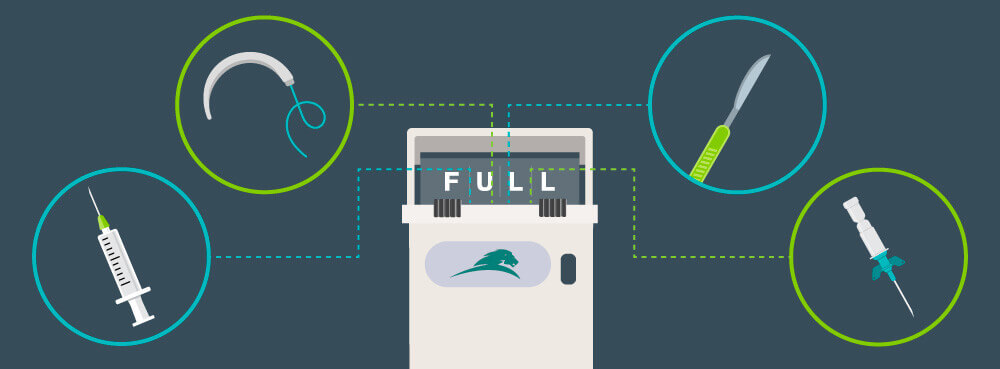
How To Dispose Of Sharps Waste Daniels Health

Sharps Disposal An Overview Sciencedirect Topics

Types Of Waste And Final Disposal Methods As Per The World Health Download Scientific Diagram

Sharps Bin Disposal Everything You Need To Know In 2021

Sharps Container Disposal Regulations

Type Of Container And Colour Coding For Hospital Waste Disposal Download Scientific Diagram
Sharps Disposal Containers Fda

Comments
Post a Comment